




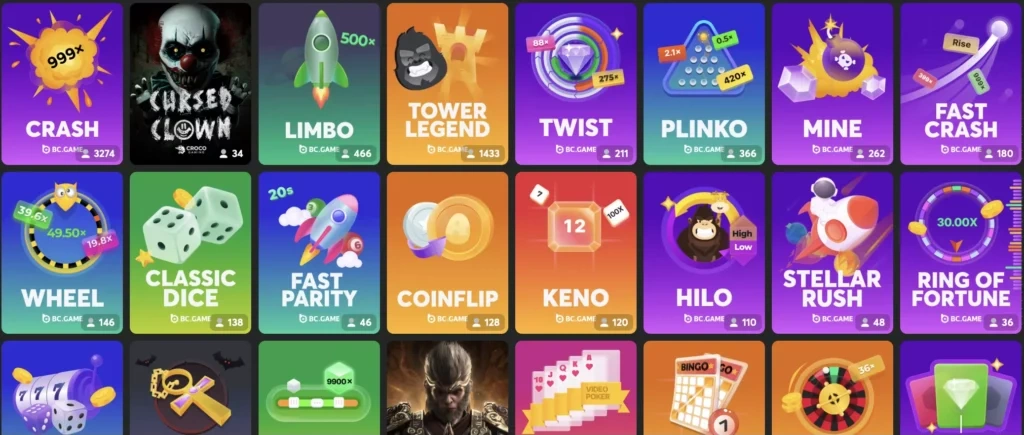
BC Originals is a platform concept focused on games that are available through a specific service rather than across multiple storefronts. For players who want to understand what makes these titles distinct, it helps to start with the platform overview and official references. The primary entry point is the site at bc originals, which provides general information about the collection. A second link to the same resource is also available as https://bcoriginals.com/, supporting direct access from different contexts. In practice, exclusive availability can affect discovery, pricing, and update schedules. It also influences how players decide what to try first based on genre, platform requirements, and release timing.
What “Exclusive” Means for BC Originals
Exclusivity on BC Originals typically indicates that a game is offered through the platform rather than through wider distribution channels. This does not always mean that the game is inaccessible elsewhere in every situation, but it commonly reflects a primary launch and ongoing availability arrangement. Players may notice that some titles appear earlier or receive platform-specific updates. Because access is tied to the service, requirements such as an account, supported devices, or regional availability can matter. Exclusive positioning also changes how marketing is delivered, since the platform acts as the main discovery layer. Understanding these mechanics helps set expectations for gameplay availability and support.
Access and availability signals
When a game is presented as an original or exclusive title, the platform usually communicates its availability through its catalog. Players can use the site’s listings to identify which games are currently included and what release dates are planned. Some titles may be time-limited, while others remain in the catalog after launch. Device compatibility can also be a factor, including whether the game requires specific hardware or software. For decision-making, it is useful to check the platform’s current status before purchasing or downloading. This approach reduces the chance of encountering mismatches between expectations and actual access.
Catalog organization and discovery
BC Originals catalog pages often group games in a way that supports browsing by category or release cycle. Discovery can be influenced by featured items, recently added entries, and curated collections. Players who want a structured search can rely on the platform’s navigation rather than external sources. This matters because exclusives are sometimes described differently across communities. The platform’s own descriptions can include details on gameplay focus, modes, and supported features. When those details are clear, players can evaluate whether a title matches their preferences without relying on third-party summaries.
Game Types Commonly Found on the Platform
Exclusive platforms often host a mix of indie production and targeted releases designed for specific audiences. On BC Originals, the selection is typically shaped by what the platform can showcase and maintain over time. This can include games with shorter development cycles, as well as larger projects that require extended production. Players may also see a variety of genres, including action, adventure, simulation, and puzzle-based experiences. The platform’s focus on exclusives can lead to a higher concentration of titles that emphasize unique mechanics or specific artistic direction. While the catalog changes, the overall goal is to present games that are recognizable as part of a single platform identity.
Single-player and narrative-focused releases
Many exclusive games target players who prefer structured progression and clear objectives. Single-player titles can emphasize story delivery, mission design, and pacing. In these cases, the platform’s page often highlights narrative themes, character roles, and gameplay structure. Players may also look for information about session length and difficulty progression. Narrative-focused games can vary widely, from dialogue-heavy experiences to gameplay-first designs with minimal exposition. Checking those signals is useful when deciding whether a title fits a player’s available time and preferred play style.
Cooperative and competitive modes
Some exclusives include multiplayer features designed to support group play. Cooperative modes can include shared objectives, team-based tasks, or synchronized progression systems. Competitive modes may focus on ranked play, leaderboards, or match-based scoring. For multiplayer games, platform details can indicate how matchmaking works and whether cross-play is supported. Players often benefit from reading the platform’s description of session structure before starting. This information can clarify whether the game is designed for short matches or longer rounds.
Replayability through progression systems
Replayability in exclusive games can come from progression systems such as upgrades, unlocks, or repeated challenges. Platforms may describe how progression affects gameplay, including whether it is purely cosmetic or performance-related. Some games use daily or weekly objectives to encourage return play, while others rely on randomized events. Players may also see seasonal structures that change content over time. The platform’s update history can help players understand how frequently new content arrives. When the information is available, it is easier to predict long-term engagement and avoid disappointment.
How to Evaluate BC Originals Titles Before Playing
Before committing to an exclusive title, players can evaluate several practical factors that affect the experience. These factors include genre fit, controls, accessibility options, and the expected time commitment. The platform’s own listing is usually the most direct source for feature descriptions and requirement details. If a game is new, the listing may also include early notes about performance targets or stability. Players can also compare the game’s mode list with their typical preferences, such as single-player focus or multiplayer availability. This evaluation reduces mismatched expectations that can result in refunds or abandoned installs.
Reviewing platform-provided details
Platform pages often include the essentials: gameplay summary, modes, and any system requirements. Players can use those details to confirm that their device meets the minimum or recommended specifications. It also helps to read the description of core mechanics, such as how combat, building, or puzzle solving is structured. If the platform provides information about updates, it can indicate whether the game is actively maintained. In some cases, patch notes or change summaries may appear alongside the listing. Using these signals can support a more accurate decision than relying on general impressions.
Comparing similar titles in the same catalog
Exclusive catalogs can make it easier to compare games that share a similar audience. Players can look for adjacent items in categories such as action, strategy, or simulation. This comparison can help identify whether a game offers a distinct feature set or a familiar experience. It also supports planning a purchase order based on how quickly each title can be completed or expanded. One practical approach is to focus on the platform’s ordering and featured lists, then narrow down by mode and progression style. A short list of candidates can reduce decision fatigue and help players commit with confidence.
Common decision criteria for players
Players often use a set of consistent criteria when evaluating exclusive games. These criteria help determine whether a title will be satisfying over multiple sessions. A useful checklist can include the following items:
- Supported platforms and system requirements for smooth performance.
- Game modes, including single-player, cooperative, or competitive options.
- Progression structure, such as unlocks, upgrades, or seasonal content.
- Estimated session length and how the game handles difficulty changes.
- Update expectations, including whether the platform indicates ongoing support.
Why BC Originals Focuses on Original Games
A platform’s emphasis on original or exclusive games can support a consistent experience for players. By curating a specific set of titles, the platform can maintain a recognizable catalog identity. This identity helps players know what to expect from future releases, including the likely style of gameplay and presentation. For developers, exclusivity can also provide a clearer route for promotion and long-term engagement planning. The platform may invest in featured placement and support for launch events. For players, this can translate into a more centralized source of information and a single place to track updates.
Platform curation and player expectations
When a platform curates its catalog, it sets expectations for quality, pacing, and feature coverage. Players may find that descriptions follow a consistent format and that key details are easier to locate. Curation can also influence how quickly players encounter new releases and how often the platform highlights improvements. Over time, this can reduce the effort required to evaluate unfamiliar titles. It may also help players build a routine, checking the platform for newly available exclusives. Clear signals are especially valuable when exclusives differ from mainstream releases.
Updates, support, and content changes
Exclusive titles often rely on ongoing support delivered through the platform. This support can include bug fixes, balance adjustments, and content additions that extend replay value. The platform may provide a centralized place to learn about changes, which is helpful for players who want continuity. When updates are frequent, players can plan longer-term engagement with the knowledge that issues will be addressed. Some games also adjust their progression systems based on feedback, which can change how players experience early and late game. Checking for update information through the platform listings can help players stay current.
Getting Started with BC Originals
Players who want to explore BC Originals can begin by using the platform site to understand what is currently available. The catalog can help identify which exclusive games match a player’s preferred genre and mode. Starting with a shortlist can be practical, especially when the catalog includes multiple new releases. A player can then verify platform requirements and read the game summary to confirm expectations. If a title offers multiplayer features, it can also be helpful to check how those modes are described.
Building a short list of titles
A short list helps players avoid committing to a game that does not fit their current interests. Players can use the platform’s featured section and recently added entries as starting points. After that, they can narrow choices by mode and progression style, such as whether the game is built around narrative missions or repeated challenges. Checking system requirements ensures that the game will run as expected. It can also help to compare whether the game offers cooperative play if that is a priority. With a short list, the player can make a decision based on details presented on the platform.
Planning play sessions around game structure
Exclusive games can vary in how they support different session lengths. Some titles are designed for short play sessions with quick objectives, while others require longer uninterrupted runs. Players can use the platform description to estimate how the game handles progression checkpoints and mission structure. If the game includes multiplayer, session timing can also affect enjoyment because matchmaking and team coordination take time. Planning sessions reduces the risk of starting a title that requires a longer setup than expected. Over time, players can refine their selection based on which titles fit their schedule.
Staying informed after launch
After choosing a title, players can remain informed by checking the platform’s listings for update notes and changes. Updates can affect balance, performance, and available content. If the platform provides release information for new episodes, modes, or seasonal events, it can help players plan when to return. Staying current can improve the experience, especially when a game adjusts core systems. Players can also use the official site as a single reference point for announcements. This approach supports a smoother path from first launch to long-term play.
