



Betwinner poker is an online option for players who want to manage games through a digital interface. Before you start, review the available poker formats and the rules shown in the lobby. To explore the poker section, open Betwinner poker and confirm that poker is offered in your region. You can also review the overall platform details at https://betwinner-kenya.net/. This article explains the basic steps for getting ready, joining tables, and playing standard hands responsibly.
Getting Started on Betwinner Poker
To play online poker, you typically need an account and access to the poker lobby. After logging in, locate the poker area within the main menu and select the game type you want to join. Many platforms show chips, blinds, and table status before you enter, which helps you compare options. Take a moment to read the on-screen rules for the specific variant, since betting structures can differ. If the site uses deposits and withdrawals, confirm the payment methods available in your account settings. Keeping your login details secure is important for safe access to your bankroll.
Understanding Game Types and Table Options
Choosing between cash games and tournaments
Betwinner poker may offer both cash games and tournament formats depending on current availability. Cash games usually involve continuous play where you can often buy in and leave between hands. Tournament play organizes players into structured stages with increasing blinds or time-based changes. Your selection can affect how you manage risk, since tournament pressure often increases as the event progresses. If you are new, starting with lower stakes can help you learn table flow without large losses. Check the buy-in, prize structure, and time commitment before you join any tournament.
Reviewing blinds, limits, and player counts
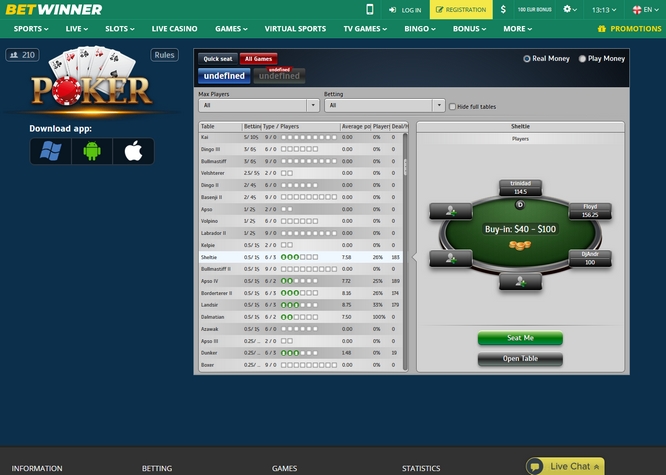
Before sitting at a table, review the blinds or stakes displayed in the lobby. Some tables use fixed-limit or no-limit formats, and each affects how bets are sized. Player count also influences hand frequency and the style of play you may face. A full table can produce more actions per hour, while shorter-handed tables can change decision-making. Use the lobby filters, if available, to match your experience and preferred pace. If a table shows low activity, consider switching to a table with more consistent play.
Using the Poker Interface During Play
Betting controls and action timing
When a hand begins, the interface usually shows your hole cards, community cards, and the current action. Betting controls typically include options such as fold, call, check, and raise. Action timing can be limited by a countdown timer, so you need to respond before the clock ends. If you are uncertain, use the pause or read the hand summary area if the platform provides it. Confirm the amount for each action, especially for raise sizes that may have presets. Clear understanding of action buttons reduces mistakes during fast hands.
Tracking pot size, odds, and required bets
The table view generally includes the pot size and the current bet to call. You can also see how much you have already contributed to the pot in that hand. Many interfaces show the minimum raise amount and the maximum allowed raise, which helps you plan a legal bet. Paying attention to the pot and bet sizes supports better decisions, particularly on the flop, turn, and river. Some players review hand history after play to understand outcomes and improve future choices. If the site provides a hand recap, use it to confirm whether your action matched your intention.
Learning Basic Rules for No-Limit Texas Hold’em
Card dealing and hand rankings
No-limit Texas Hold’em commonly uses two private cards and five community cards. The dealer or automated system deals two hole cards to each player, which remain hidden from others. Community cards appear in stages: the flop, the turn, and the river. After all community cards are dealt, each player forms the best five-card hand from any combination of their hole cards and the board. Hand rankings determine winners, with higher combinations beating lower ones. Knowing the ranking order helps you evaluate outcomes and avoid confusion at showdown.
Betting rounds and common action sequences
Texas Hold’em has betting rounds that occur before and after each set of community cards. The first betting round begins after players receive hole cards. The action then continues after the flop and again after the turn, with another round after the river. Players may be forced to act if they are in blinds, which are positions with mandatory bets. Depending on the action, you may see checks, calls, folds, and raises in a single hand. Understanding these common sequences supports consistent decision-making.
Managing Bankroll and Responsible Play
Setting limits before you start
Online poker results depend on both skill and variance, so bankroll planning is important. Decide on a session budget and a maximum loss you are willing to accept before you begin. Choose stakes that match your budget so that short-term fluctuations do not force you to stop. Avoid chasing losses by increasing stakes after a bad run. If the platform offers multiple tables, consider staying at one table to reduce distraction. Responsible play can also include taking breaks to maintain focus and avoid rushed decisions.
Using practice tools and reviewing hands
Some platforms provide practice tables or demo modes, which can help you learn controls and timing. If you do not have access to practice options, start with low stakes and focus on understanding the process. After each session, review key hands where you made significant decisions. Look for patterns such as entering too many hands or raising too aggressively without strong holdings. Keeping a simple record of mistakes can improve your future choices. Use any built-in hand history tools to verify your actions and identify decision points.
Common Mistakes to Avoid Online
Misreading bets and misunderstanding raise sizes
A common error is misreading the current bet or failing to check the minimum raise rules. In no-limit formats, raise sizing can change quickly based on the action in front of you. If you select an action without confirming the amount, you can end up overcommitting to a pot. Another issue is forgetting how blinds and previous bets affect what you need to call. Double-check the interface before acting, especially when the timer is running. Consistency in reading the pot and bet sizes helps reduce avoidable losses.
Playing too many hands and ignoring position
New players sometimes enter too many hands, which can lead to frequent losses against stronger ranges. Position also matters because players act earlier or later depending on their seating. Acting later usually provides more information about how others have approached the betting. If you ignore position, you may call or raise without appropriate strength. A disciplined approach can include selecting hands more carefully and folding marginal holdings when appropriate. Over time, learning which hands fit your position improves decision quality.
How to Join a Table and Start Playing
Finding a table and confirming settings
To start, open the poker lobby and choose a game type that matches your experience level. Review the stake level, blind structure, and table status so you know what to expect. If the lobby provides filters, use them to find tables with suitable limits and enough players. Before you sit, confirm the buy-in amount required for that table. Once you join, wait for the next hand to begin and ensure you understand the betting options shown on the screen. This preparation helps you avoid confusion when action starts.
Making the first decisions in a hand
At the start of a hand, evaluate your hole cards and decide whether to fold, call, or raise based on the current action. Consider how the players in the hand have acted so far, since their choices affect the likely range of hands. When you act preflop, think about whether you want to see community cards cheaply or apply pressure with a raise. On later streets, reassess based on the board and how it changes your hand strength. Use the pot size and bet amounts to guide your decisions rather than reacting only to previous outcomes. With practice, your first decisions become more consistent and aligned with the rules of the format.
Next Steps After Your First Sessions
Building skills through structured learning
After you complete early sessions, focus on improving specific areas rather than changing everything at once. You can start by reviewing how you played preflop and whether you entered hands too often. Next, check your decisions on the flop and turn where most mistakes can occur. Consider studying basic strategy concepts and adapting them to the format you are playing. If you play tournaments, track how your strategy changes as blinds increase. If you play cash games, pay attention to how often you win pots and how you manage risk during deeper stacks.
Staying updated on availability and platform changes
Poker offerings can vary over time, including table availability and tournament schedules. Monitor the lobby for new events and updated rules that may appear for certain formats. If the platform changes user interface elements, take a moment to learn where actions and hand history are displayed. Keeping your account information current also supports smooth play during events. Use the platform’s main pages to confirm poker access and game listings when needed. This ensures that your next session starts with accurate information about what is available.
- Check the poker lobby for game type, stakes, and table status before joining.
- Confirm action amounts for call and raise to avoid misclicks.
- Use bankroll limits to control session risk and reduce emotional decisions.
- Review hand history to identify decision points for improvement.
