



Window & Glass Cleaning
How contamination control reduces the rate of manufacturing defects
Contamination as a systemic source of production defects
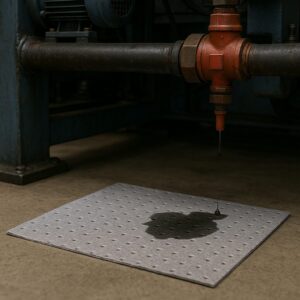
Manufacturing defects are often attributed to equipment failure or human error, while contamination remains an underestimated root cause. Particles, fibers, residues, and oils can interfere with surfaces, materials, and assembly processes in subtle but decisive ways. Even microscopic contamination can compromise adhesion, coating integrity, or mechanical tolerance. These issues may not appear immediately and often emerge during later quality checks or in end‑use conditions. When contamination is not controlled, defects propagate silently through production stages. Effective contamination control addresses defects at their origin rather than reacting to their consequences.
The relationship between surface cleanliness and process reliability
Many industrial processes rely on clean and stable surfaces to function correctly, and a similar need for stability can be observed in online gaming and entertainment platforms where consistent system performance shapes user experience. Coating, bonding, sealing, and painting operations are particularly sensitive to surface conditions. Residual contaminants alter surface energy and disrupt uniform application. This results in inconsistent outcomes and increased rejection rates, much like unstable configurations can affect the smooth use of gaming platforms such as https://bj88-gb.uk/ . Reliable processes require predictable surface states. Contamination control establishes that predictability by standardizing cleaning and handling conditions. Process reliability improves when surface variability is minimized.
Hidden costs of poor contamination management
Defects caused by contamination generate costs beyond immediate scrap or rework. Production delays, additional inspections, and customer complaints increase operational burden. Root‑cause investigations consume engineering resources. Reputational damage may follow repeated quality issues. These hidden costs accumulate over time and reduce competitiveness. Preventive contamination control is more economical than corrective action. Cost reduction is achieved through stability rather than intervention.
Key contamination control measures that reduce defect rates
Effective contamination control relies on coordinated measures applied consistently across production environments.
- Standardized cleaning materials designed for specific surface requirements
- Controlled handling procedures that limit recontamination
- Monitoring and validation of cleanliness at critical process stages
These measures function as a system rather than isolated actions. Their combined application significantly lowers defect probability.
Human factors and contamination prevention discipline
Human interaction with materials is a frequent source of contamination. Gloves, clothing, and handling habits influence cleanliness. Without clear procedures, even trained operators introduce variability. Contamination control programs integrate training with practical workflow design. Visual standards and material segregation support compliance. When procedures are intuitive, adherence improves. Human factors become aligned with quality objectives.
Data‑driven contamination control and continuous improvement
Modern manufacturing increasingly uses data to manage contamination risks. Defect tracking linked to contamination events reveals patterns. Measurement and feedback loops enable process adjustment. Continuous monitoring supports early detection rather than late correction. Data transforms contamination control from assumption to evidence‑based practice. Continuous improvement becomes achievable through measurable outcomes.
Contamination control as a strategic quality investment
Reducing manufacturing defects through contamination control requires strategic commitment. Cleanliness is not an auxiliary task but a quality determinant. Companies that invest in contamination control achieve higher yield and consistency. Defect reduction strengthens customer trust and operational resilience. Quality becomes designed into the process rather than inspected afterward. Contamination control ultimately supports sustainable manufacturing performance.
