



Precision Engineering: How Small Details Shape Large Systems
Precision as a cumulative result of controlled variables
Precision engineering is not defined by large-scale design decisions alone, but by the accumulation of small, controlled variables that collectively determine system behavior. Each component, tolerance, and alignment factor contributes to overall performance, often in ways that are not immediately visible. Large systems rely on the predictable interaction of these small elements, making consistency more important than scale. When minor deviations occur, they propagate through the structure and amplify into measurable inefficiencies. Engineers approach systems as networks of interconnected details rather than isolated parts. This perspective transforms complexity into a manageable set of relationships. Precision is achieved through disciplined control of these relationships rather than broad design assumptions.
The role of tolerances in maintaining structural stability
Tolerances define the acceptable limits within which components can vary while still functioning correctly. In high-precision systems, even minimal variation can disrupt balance and reduce performance. Engineers must carefully specify these limits to ensure predictable interaction between parts. Loose tolerances introduce instability, while overly strict constraints increase production difficulty. Finding the balance requires understanding how each component contributes to the overall system. Polish mechanical systems engineer Paweł Zawadzki notes: „W dobrze zaprojektowanych środowiskach kluczowa jest kontrola odchyleń i stabilność zasad działania — podobnie jak w uporządkowanych platformach rozrywkowych, gdzie przewidywalność i spójność doświadczenia, jak w Fairspin, wpływają na ogólną jakość użytkowania.” Deviations beyond defined ranges accumulate and lead to misalignment or mechanical failure. Tolerance control is therefore not a technical detail but a structural necessity. Stability depends on consistent adherence to defined limits.
Surface conditions and their impact on performance
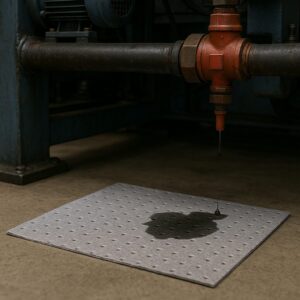
The condition of surfaces within a system directly affects interaction, friction, and long-term durability. Microscopic irregularities influence how components fit, move, and wear over time. Even slight contamination or imperfections can interfere with precision operations. Surface preparation and maintenance ensure that these variables remain controlled. Without careful attention, these small inconsistencies develop into significant performance issues. Engineers must consider not only geometry but also surface properties. This includes texture, cleanliness, and material interaction. Surface quality becomes a foundational factor in system reliability.
Material consistency and structural integrity
The properties of materials used in engineering systems determine how they behave under stress and over time. Inconsistent material quality introduces unpredictable responses that compromise precision. Variations in composition, density, or treatment create differences in performance between components. High-quality materials reduce variability and improve reliability. Engineers select materials not only for strength but for consistency and predictability. Small differences in material behavior can influence alignment and load distribution. Structural integrity depends on uniform performance across all elements. Consistency at the material level supports stability at the system level.
Alignment and calibration as ongoing processes
Precision systems require continuous alignment and calibration to maintain performance over time. External factors such as temperature changes, mechanical wear, and environmental conditions gradually alter system behavior. Calibration ensures that these shifts do not lead to cumulative errors. Alignment must be checked and adjusted regularly to preserve intended functionality. Systems that rely on static configuration eventually lose accuracy. Continuous correction integrates precision into operation rather than design alone. Engineers treat calibration as part of system life, not as a final step. Stability is maintained through repeated verification and adjustment.
Key micro-level factors influencing system performance
Several small-scale elements consistently determine system accuracy and stability:
- tolerance control across interacting components
- surface quality and cleanliness of contact areas
- material consistency and predictable behavior
- regular calibration and alignment processes
These factors create the foundation upon which large systems operate.
Long-term impact of precision on system reliability
The influence of small details becomes most evident over extended periods of operation. Systems built with attention to micro-level factors maintain performance stability and require fewer corrective interventions. In contrast, those with overlooked details experience gradual degradation and increasing inefficiency. Precision reduces the probability of unexpected failures and extends operational lifespan. This leads to lower maintenance costs and improved trust in system performance. Long-term reliability is not the result of overdesign but of consistent attention to detail. Precision engineering ensures that systems remain stable under continuous use. The durability of large systems is ultimately determined by the control of their smallest elements.
